
Understanding Temperament in Miniature Schnauzer Obedience Training
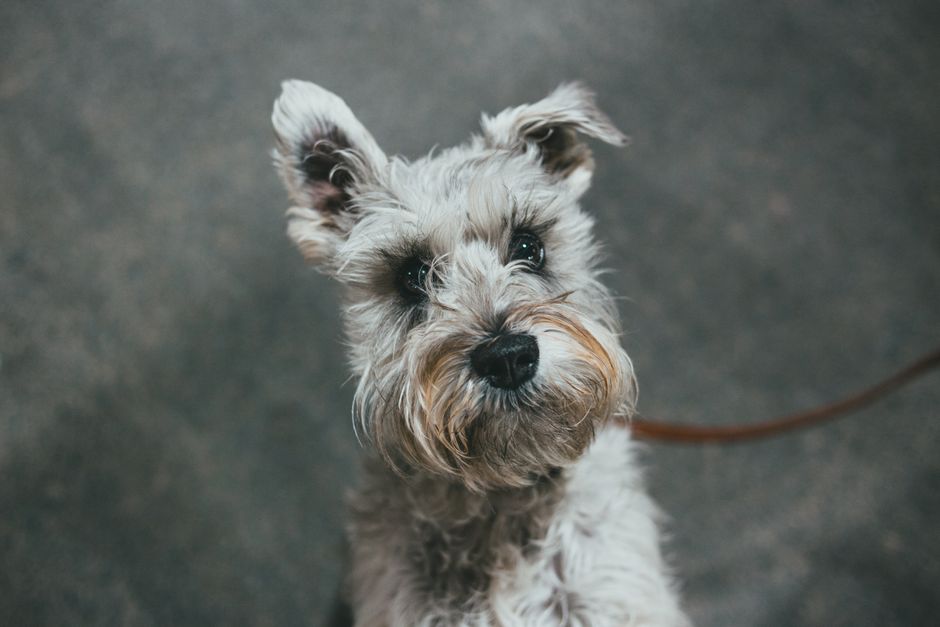
To train a Miniature Schnauzer successfully, keep sessions to 5 minutes, repeated 3 to 4 times daily. Use a clicker or verbal marker like "Yes!" to let your dog know which behavior earned a reward, then offer a high-value treat such as diced roast chicken, string cheese, or freeze-dried liver. Pair this with practice in self-control through cues like sit, stay, and place to help your dog make progress. Miniature Schnauzers bring a distinctive blend of sharp intellect, spirited charm, and intense loyalty to training. According to canine psychologist Stanley Coren’s intelligence rankings, the Miniature Schnauzer ranks in the top 20 smartest breeds. They generally understand new commands in as few as 5 to 15 repetitions and respond correctly on the first cue roughly 85% of the time. The American Kennel Club rates their trainability at 8/10, making them eager learners when approached with the right strategy.
However, understanding their history is critical to unlocking their full potential. Originally bred in Germany as farm watchdogs and rat catchers, Miniature Schnauzers were required to make quick, independent decisions without human direction. When a terrier is working a barn floor, they do not wait for permission to track a rodent; they act on instinct.
In a modern home, this independent problem-solving ability can sometimes look like stubbornness. If a Miniature Schnauzer does not see a clear reason to follow a cue, or if a training drill becomes monotonous, they will readily choose their own path. As noted in the American Miniature Schnauzer Club breed guidelines, these dogs are willing partners who thrive when sessions are kept positive, structured, and engaging.
Their historical watchdog role also means they are naturally vigilant. Miniature Schnauzers notice every rustling leaf, passing delivery truck, and unfamiliar footstep outside the front window. Left unmanaged, their natural instinct to announce perimeter activity quickly turns into non-stop barking.
To train this breed successfully, we build on their enjoyment of food rewards and activities with you. Pair high-value rewards, such as diced roast chicken, string cheese, or freeze-dried liver, with enthusiastic praise to encourage the behaviors you want at home. Vary the practice to help your dog stay interested and focused.
Puppy Foundations: Crate Training, Housebreaking, and Early Socialization
Establishing a predictable daily schedule the day you bring your 8-week-old puppy home creates a secure environment where good habits form naturally. Puppies thrive on routine; setting specific times for feeding, outdoor relief, play, mental enrichment, and rest eliminates confusion and cuts down on indoor accidents.
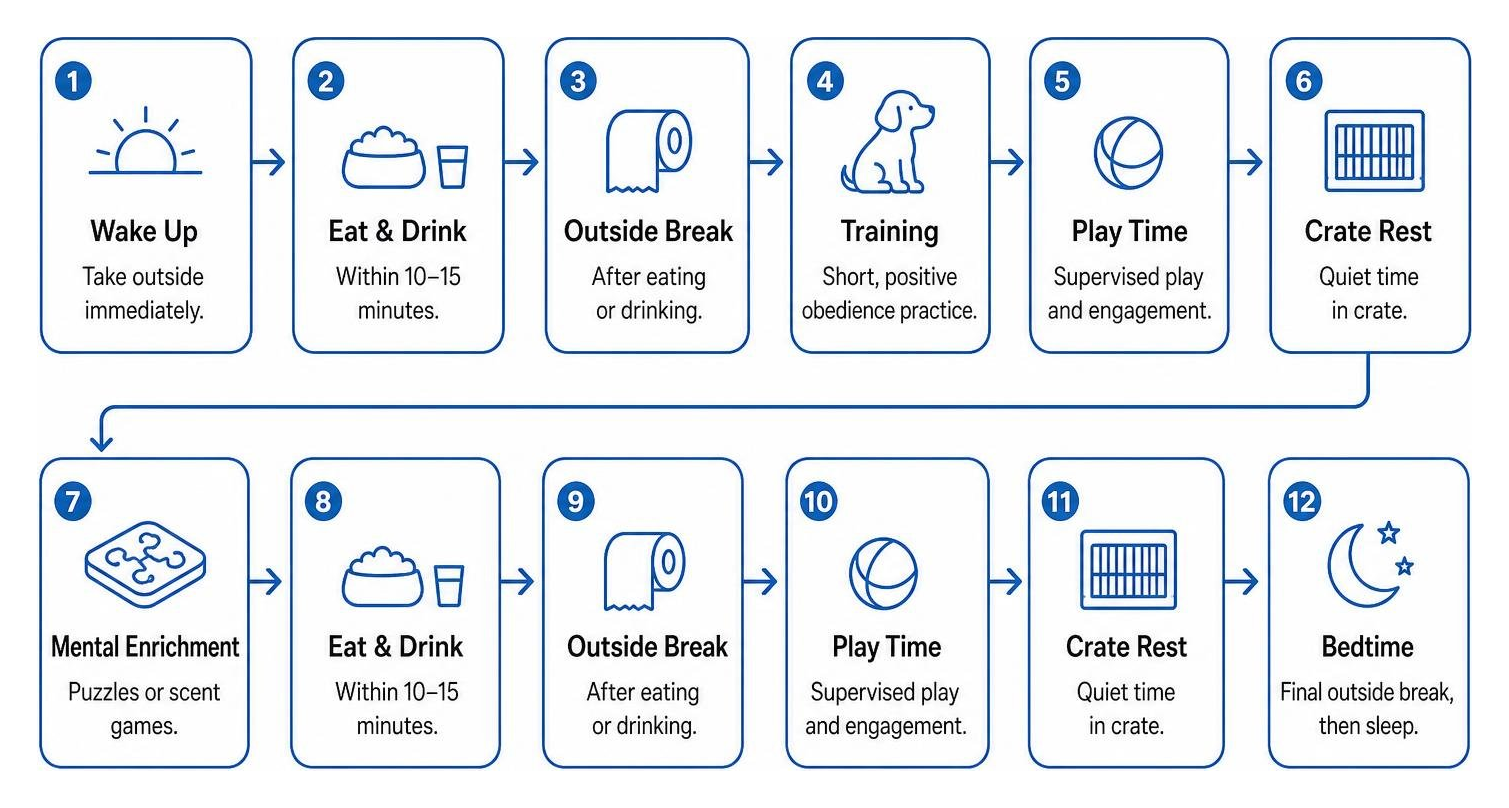
Crate training is the cornerstone of household management and housebreaking. Dogs instinctively avoid soiling their sleeping quarters, which makes a properly sized crate an invaluable tool for building bladder control. For an adult Miniature Schnauzer weighing around 14 to 18 pounds, a 24-inch crate is standard. When dealing with a young puppy, select a crate with an adjustable divider panel. Provide only enough room for your pup to stand up, turn around, and lie down comfortably. If the crate is too spacious, they may designate one corner as a bedroom and another as a bathroom.
Young puppies have limited bladder capacity. A reliable rule of thumb is that a puppy can hold their bladder for about one hour per month of age, plus one. An 8-week-old pup needs an outdoor break every 1 to 2 hours during the day, as well as:
- Immediately upon waking up in the morning or after a nap
- Within 10 to 15 minutes after finishing a meal or drinking water
- Immediately following high-energy play or training drills
- Right before turning the lights out for the night
Take your puppy to the same designated outdoor spot on a leash, use a simple cue word like "go potty," and give calm praise alongside a high-value treat the exact second they finish. Most Miniature Schnauzers become reliably house-trained between 5 and 6 months of age when this routine is applied consistently.
Alongside crate and potty foundations, helping your puppy feel comfortable being touched and groomed is essential for this breed, which has a soft undercoat beneath a wiry outer coat. Miniature Schnauzers require lifelong coat maintenance, ear cleaning, and beard care. Start gently handling their paws, nails, ears, and beard during their very first week home. You can place a towel over a sturdy surface to use as a makeshift grooming table, rewarding your pup for standing calmly while you introduce soft brushes and nail clippers.
Early socialization should help your puppy feel calm and confident around new experiences rather than becoming overly excited. Between 8 and 16 weeks of age, introduce your puppy to different surfaces, urban sounds, traffic, bicycles, and unfamiliar objects at a comfortable distance. Socialization does not mean letting your puppy greet every stranger or dog they pass; it means helping them stay calm and attentive to you in new environments. For structured support during these formative months, our puppy head start programs help owners build foundational manners, self-control, and confidence.
Essential Foundations for Miniature Schnauzer Obedience Training
Before teaching complex behaviors, your puppy needs to understand how communication works. The first step is establishing absolute name recognition. Say your puppy’s name in a bright, upbeat voice; the moment their head whips around and they make direct eye contact, mark the behavior with a crisp "Yes!" or a clicker, then deliver a high-value treat.
A reward marker helps your dog learn by showing them exactly which action earned the reward. Use a clicker or a consistent word like "Yes!" when your dog does the action you want, then give the reward.
Keep training sessions to 5 minutes, repeated 3 to 4 times per day. Because Miniature Schnauzers can become frustrated when drills are overcomplicated, break each new skill into small, achievable steps. Mix up rewards such as soft training treats, tug games, and verbal praise to keep practice interesting for your dog.
Teaching Core Commands and Leash Manners

Once your dog understands your reward marker, such as "Yes!" or a clicker, and can focus on you, you can introduce core obedience cues: sit, down, stay, come, and place.
- Sit & Down: Hold a high-value treat right at your dog's nose to guide them into position. For a sit, slowly move the treat upward and back toward their ears; as their rear touches the floor, mark and reward. For a down, bring the treat straight down between their front paws and slide it forward along the floor. Miniature Schnauzers can learn the movement for sit with regular practice, though the time needed varies by dog.
- Stay: Build the time your dog stays in position and your distance from them gradually. Ask for a sit, pause for two seconds without stepping away, mark, and reward. Slowly build up to several steps away before adding distractions. Always return to your dog to release them rather than calling them out of the position.
- Recall (Come): Coming when called takes consistent practice, especially around distractions. Start inside a quiet hallway. Back away quickly, clap your hands, and call your dog in an excited tone: "Max, come!" When they reach you, gently hold their collar, mark, and reward with several high-value treats. Avoid calling your dog to you for a bath, nail trim, or to end fun, because your dog may start associating the cue with something unpleasant.
- Place: Designate an elevated cot or portable mat as your dog’s resting spot. Guide your dog onto the mat with a treat, give the cue "place," mark when all four paws are on the surface, and reward. The place cue can help your dog practice self-control when guests arrive or during family meals.
Leash manners take practice with this curious breed, originally bred to catch rats. If your Miniature Schnauzer spots a squirrel or blowing leaf, their instinct to chase may lead them to pull toward whatever caught their attention.
Free Reign K9 LLC does not recommend walking dogs with body harnesses. We do not use anti-pull leashes. Our best overall leash recommendation is a standard 6-foot, 1/2-inch braided leash made from quality leather. Introduce loose-leash walking indoors or in a quiet driveway starting as early as 8 weeks. Practice the "stop-and-stand" technique: the moment the leash goes taut, stop moving. Wait for your Schnauzer to look back or ease the tension, mark that choice, reward at your heel, and continue moving forward. For hands-on help with leash manners and fitting training into your lifestyle, consider enrolling in dog private individual training lessons.
Step-by-Step Milestones in Miniature Schnauzer Obedience Training
Your Miniature Schnauzer’s training needs will change as they grow. The AKC puppy growth and training milestone timeline can help you plan what to practice at each age, while allowing for your dog’s individual pace.
| Developmental Stage | Age Range | Core Training Focus | Breed-Specific Milestones |
|---|---|---|---|
| Early Puppy Foundations | 8 – 16 Weeks | Crate introduction, potty routine, name response, marker training, getting comfortable with gentle handling. | Calms in 24" divider crate; eliminates on cue; tolerates gentle beard and paw touch; basic lure sit. |
| Adolescent Transition | 4 – 6 Months | Holding stay for longer, walking on a loose leash, introduction to place, impulse control. | Reliable house-training reached; loose leash in low distractions; holds 30-second place during dinner. |
| Adolescence & Practice Around Distractions | 6 – 10 Months | Long-line emergency recall, waiting calmly at doorways, learning the quiet cue, distraction work. | Ignores minor street distractions; reliable recall on 30ft line; manages prey drive triggers without lunging. |
| Maturity & Using Skills in New Settings | 10 – 12+ Months | Off-leash reliability in fenced areas, advanced place stays with visitors, staying calm around people and dogs in public. | Remains calm when guests knock; executes commands on first cue; channels drive into dog sports or scent games. |
Between 4 and 10 months of age, Miniature Schnauzers may begin showing signs of adolescence. During this period, hormonal changes and growing independence can lead to testing limits or temporary setbacks in coming when called. Stay consistent, shorten practice sessions when necessary, and keep reinforcing the household rules your dog has already learned.
Managing Stubbornness, Alert Barking, and High Prey Drive
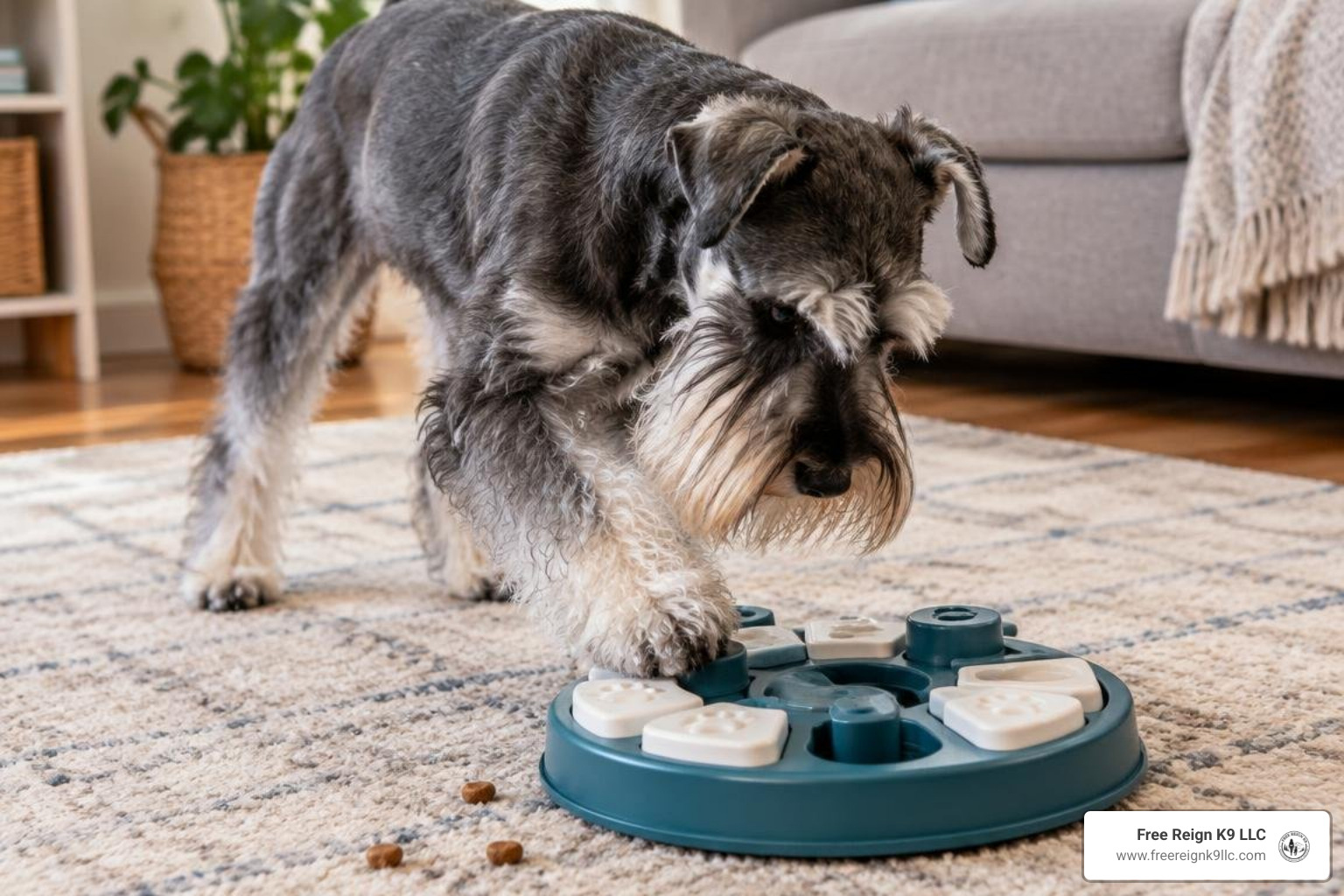
Living comfortably with your Miniature Schnauzer means learning how to manage common challenges: barking, choosing their own way, and chasing small animals.
1. Alert and Demand Barking
Miniature Schnauzers take their self-appointed role as household sentry very seriously. If they see a person walking past the living room window, they will bark to sound the alarm.
First, limit what your dog can see outside: close blinds, apply opaque window film, or move furniture away from front-facing windows to reduce the sights that set off barking.
Next, teach a clear "quiet" cue. When your dog alerts:
- Allow one or two alert barks (acknowledging their natural watchdog instinct).
- Say "quiet" in a calm, neutral tone.
- Place a strong-smelling, high-value treat right in front of their nose. Because a dog cannot sniff and bark simultaneously, they will fall silent.
- Count 3 seconds of sustained silence, mark with "Yes!", and release the treat.
- Immediately redirect them to their place mat with a chew toy.
2. Overcoming the "Stubborn" Streak
When a Miniature Schnauzer refuses to comply, it is rarely out of spite; it is almost always due to boredom, confusion, or a lack of motivation. Standard, repetitive training methods designed for retriever breeds will fail with an independent terrier.
Keep training sessions short, around 5 to 10 minutes, and finish with something your dog can do successfully while they are still interested. If your dog stalls during practice, take another look at your rewards. Dry biscuits may not hold their attention when there is something exciting outdoors. Mix up rewards your dog really enjoys, such as string cheese, cooked turkey, hot dogs, or a quick game of tug with a fleece squeaker toy.
3. Managing Prey Drive and Channeling Energy
Bred to hunt rats and other small pests, Miniature Schnauzers may find it hard to ignore small animals darting across their path. Help your dog practice noticing a distraction and then turning their attention back to you with the Engage-Disengage Game:
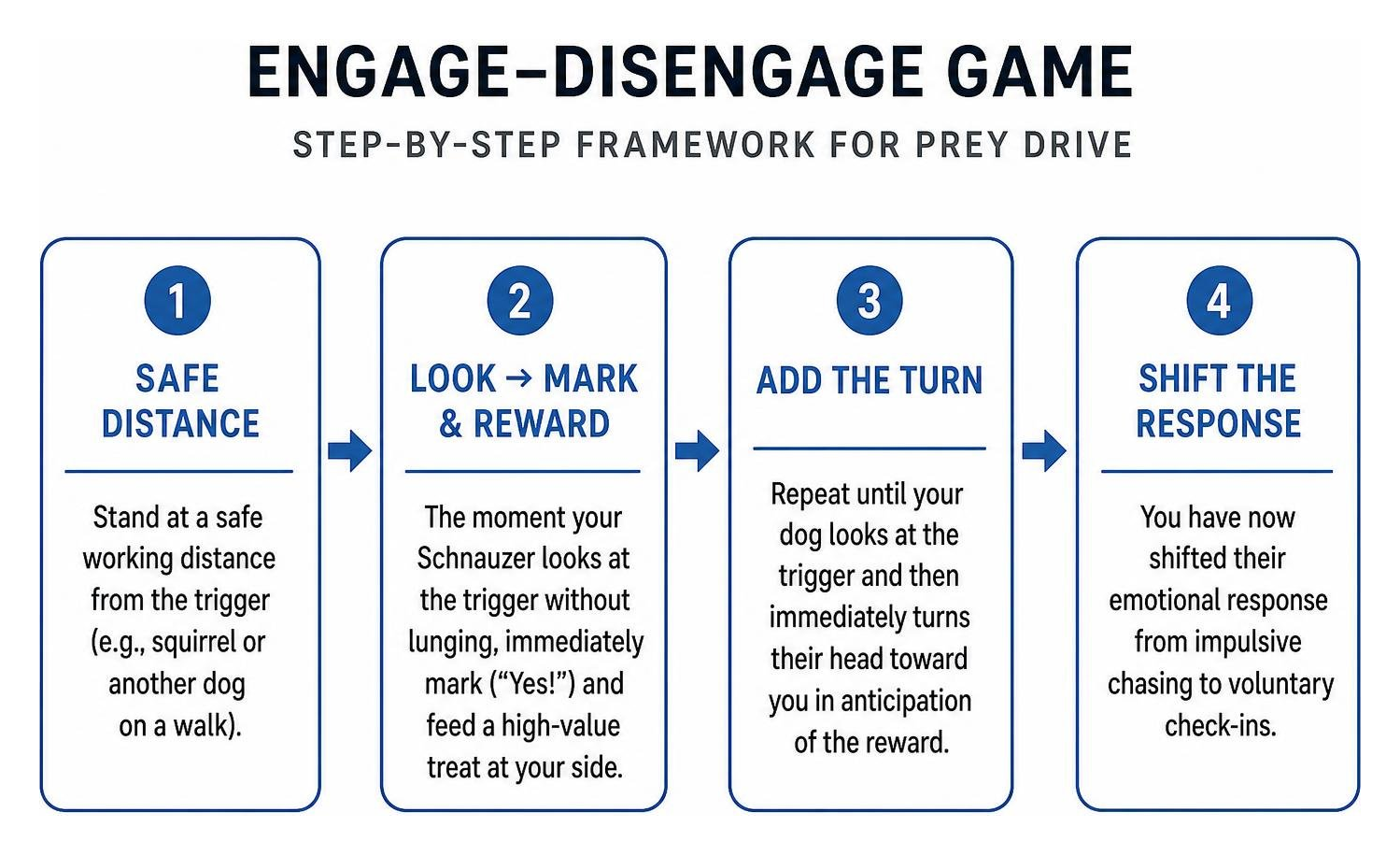
- Stand at a safe working distance from the distraction, such as a squirrel or another dog on a walk.
- The moment your Schnauzer looks at it without lunging, mark with "Yes!" and feed a high-value treat at your side.
- Repeat until your dog looks at the distraction and then turns their head toward you in anticipation of the reward.
- You’re helping your dog practice looking back at you instead of chasing.
Give your Miniature Schnauzer structured activities that put their working instincts to use. Options include canine sports such as AKC Agility, Fast CAT, Scent Work, and Barn Hunt, an activity where dogs find rats protected inside ventilated tubes hidden within hay bales.
If repeated barking or lunging at triggers, frustration behind a fence or other barrier, or persistent barking for attention continues to disrupt your home, our specialized dog behavior modification training offers targeted, balanced support to help you and your dog build more manageable daily routines.
Frequently Asked Questions About Miniature Schnauzers
For more on local training approaches and what to expect, visit our guide to frequently asked questions about Seattle dog training.
How long does it take to fully obedience train a Miniature Schnauzer?
With daily practice, most Miniature Schnauzers grasp basic household manners and core cues within 8 to 12 weeks of starting. Reliable house-training is typically achieved between 5 and 6 months of age.
Building reliable off-leash recall and dependable responses to cues around strong distractions takes continued practice as your dog matures. Progress varies by dog, so judge readiness by how consistently your Schnauzer responds in a safely enclosed area rather than by a fixed timeline.
Why is my Miniature Schnauzer so stubborn during training sessions?
What presents as stubbornness is almost always a sign of boredom, over-repetition, or low-value rewards. Miniature Schnauzers are independent thinkers. If asked to sit ten times in a row for a piece of dry kibble, they will quickly disengage. Keep your drills short (5 to 10 minutes), introduce variety, and use high-value rewards that make cooperation the most rewarding choice for your dog.
How do I stop my Miniature Schnauzer from alert barking at everything?
Prevent unmonitored window-watching by closing curtains or using frosted glass film to remove visual triggers. When your dog barks at an unavoidable noise, avoid yelling, which your Schnauzer interprets as you barking along with them. Instead, use a calm "quiet" cue, capture 3 seconds of silence using a high-value food reward, and send them to a designated place mat to settle.
Putting Your Miniature Schnauzer Training Into Practice
The Miniature Schnauzer is an extraordinarily capable, spirited, and loyal companion. By embracing their sharp intelligence, honoring their working heritage, and establishing clear, consistent boundaries early on, you can transform typical terrier challenges into reliable obedience. Short, dynamic training sessions, consistent routines, and high-value rewards will turn your independent puppy into a dependable, well-mannered family member.
At Free Reign K9 LLC, we believe in helping owners achieve true harmony with their dogs through our proven "Freedom Through Balanced Training" philosophy. We use tools such as prong collars and e-collars (electronic training collars) to teach dogs through feedback, and we provide education on safe, proper tool use based on each dog and situation. Whether you are welcoming a young puppy into your home or looking to refine manners and resolve reactivity in an adult dog, our comprehensive structured obedience training programs provide the clarity, structure, and real-world dependability you and your Miniature Schnauzer need to enjoy life together safely and freely.