
Understanding Triggers and Canine Fear Responses
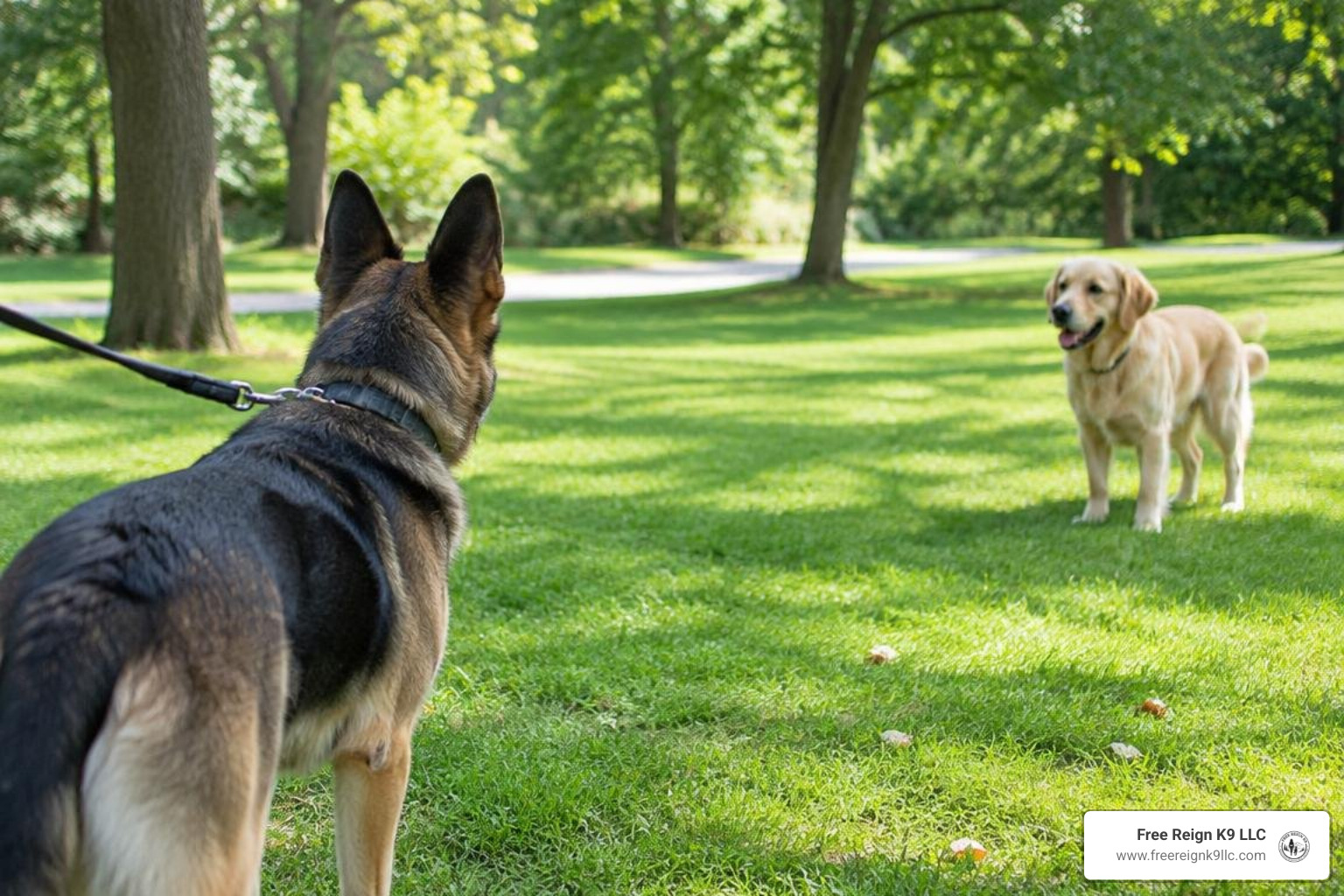
Effective fear reactive dog training relies on three core steps: giving your dog enough space to stay calm, gradually introducing things that frighten them (desensitization), and pairing those things with rewards to build positive feelings (counter-conditioning).
To help your reactive dog, start by understanding what is driving the behavior. Reactivity is a strong, visible reaction to an everyday sight, sound, or situation, often expressed through barking, lunging, whining, or growling. Aggressive behavior can involve threats or actions that cause harm, and it can overlap with reactivity. For a deeper look at how reactivity and aggression differ, the American Kennel Club's guide to reactive dogs offers a useful overview.
A reactive dog is not necessarily mean or malicious; they may be frightened. When a dog perceives danger, the part of their nervous system that responds to danger prepares them to fight or flee. On a walk, a leash can limit their ability to move away. If your dog feels trapped, barking or lunging may be their way of trying to keep the perceived threat from coming closer.
A dog's underlying fear can stem from several distinct factors:
- Inherited Traits: Some dogs inherit a tendency to be nervous or constantly on alert from their parents.
- Socialization Gaps: Critical socialization windows close around 16 weeks of age. Dogs that missed positive, varied exposures during early development often view unfamiliar sights as threats.
- Traumatic or Negative Experiences: A single attack by an off-leash dog or an overwhelming veterinary visit can create lasting negative associations.
- Inconsistent Training or Handler Stress: Unintentionally encouraging anxious behavior or keeping the leash tight can make your dog feel more uncertain.
Without proper intervention, fear reactivity can escalate. A dog that starts with an insecure bark may eventually snap or bite if pushed past its limits.
| Characteristic | Fear Reactivity | Offensive Aggression |
|---|---|---|
| Primary Emotion | Panic, fear, uncertainty | Confidence, challenge, desire to control |
| Trigger Distance | Often triggered at a distance; worsens if trapped | Often triggered by direct intrusion or resources |
| Body Language | Tucked tail, ears back, whale eye (showing the whites of the eyes), leaning away | Forward posture, stiff tail held high, direct staring |
| Goal of Behavior | Create distance ("Go away!") | Drive off or eliminate a rival ("I'm taking this") |
| Off-Leash Response | Usually retreats or avoids interaction | May pursue or initiate confrontation |
Identifying Common Environmental Triggers
A "trigger" is something that makes your dog feel the need to defend themselves. It might be something they see or hear, or a situation they find frightening. Common examples include:
- Leash Tension: Feeling physically restrained can make your dog feel more vulnerable.
- Unfamiliar Dogs or People: Your dog may react to specific breeds, dogs that have not been spayed or neutered, running children, or people wearing bulky jackets, sunglasses, or hats.
- Sudden Environmental Changes: Skateboards, bicycles, scooters, or delivery trucks rattling down the street can be triggers.
- Trigger Stacking: Several stressful experiences close together can leave your dog more likely to react strongly. For example, hearing thunder in the morning, seeing a delivery driver at noon, and passing a barking dog in the afternoon may add up to a big reaction to something that would usually seem minor.
Why Fear Reactive Dog Training Starts with Management
Before starting training, give your dog a chance to settle. Barking and lunging can leave them worked up, and they may need time to recover after a stressful encounter.
If your dog experiences multiple reactions each day, they may stay on high alert. When they are this worked up, focusing on training can be much harder.
Management means proactively structuring your walks and home life to keep your dog under their emotional threshold: the distance at which they notice a trigger but can still listen, eat treats, and remain calm.
Practical management strategies include:
- Changing walking routes to quieter side streets.
- Walking during off-peak hours (early morning or late evening).
- Crossing the street immediately upon spotting another dog.
- Using visual barriers inside the home, such as window film or baby gates, to prevent reactive barking at passersby.
Free Reign K9 LLC does not condone walking dogs with body harnesses. We do not use anti-pull leashes. Our best overall leash recommendation is a standard 6-foot, 1/2-inch braided leash made from quality leather.
Keeping your dog out of overwhelming situations gives them time to settle and helps prepare them to learn. Exploring structured programs and training services can help you design a management routine tailored to your dog's specific needs.
Essential Methods for Fear Reactive Dog Training
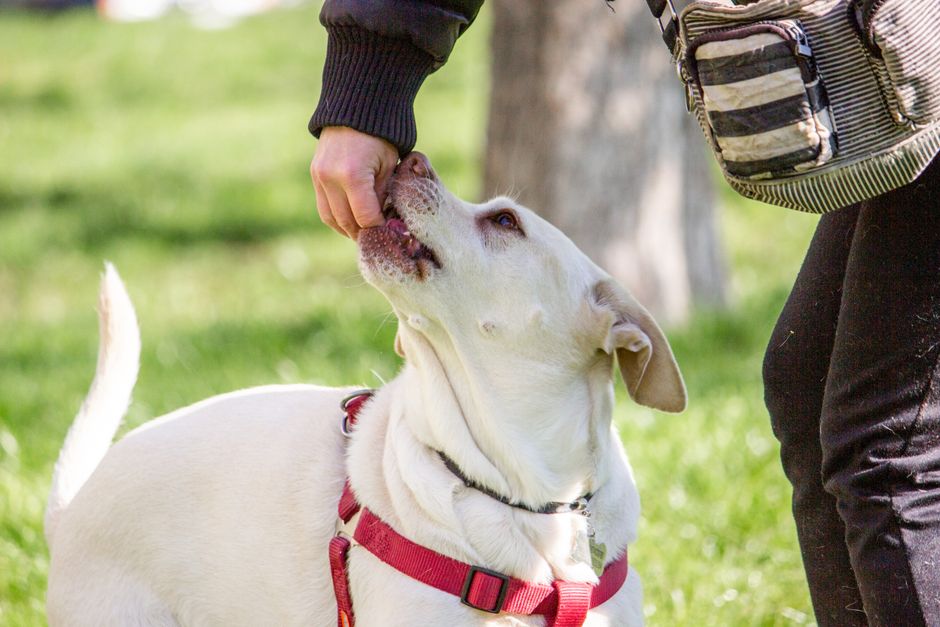
Once management is in place and your dog's stress levels have settled, the actual training begins. Lasting change comes from addressing the root cause (the underlying fear) rather than simply punishing the outward symptoms. At Free Reign K9 LLC, we follow a balanced training philosophy, pairing owner education with the safe, proper use of training tools chosen for each dog and situation.
When a dog is punished for growling or barking, they may stop showing those warning signs while still feeling frightened. This can increase the risk of a bite without those warnings. Through dog behavior modification training, we gradually introduce triggers at a manageable level and pair them with rewards to help change how your dog feels. Our training also uses tools such as prong collars and e-collars to teach dogs through feedback, with guidance on safe, proper use for the individual dog.
Step-by-Step Counter-Conditioning Protocol
Counter-conditioning aims to change how your dog feels about a trigger, from fear to positive anticipation. The goal is for your dog to see the trigger and think: "Something good is about to happen to me."
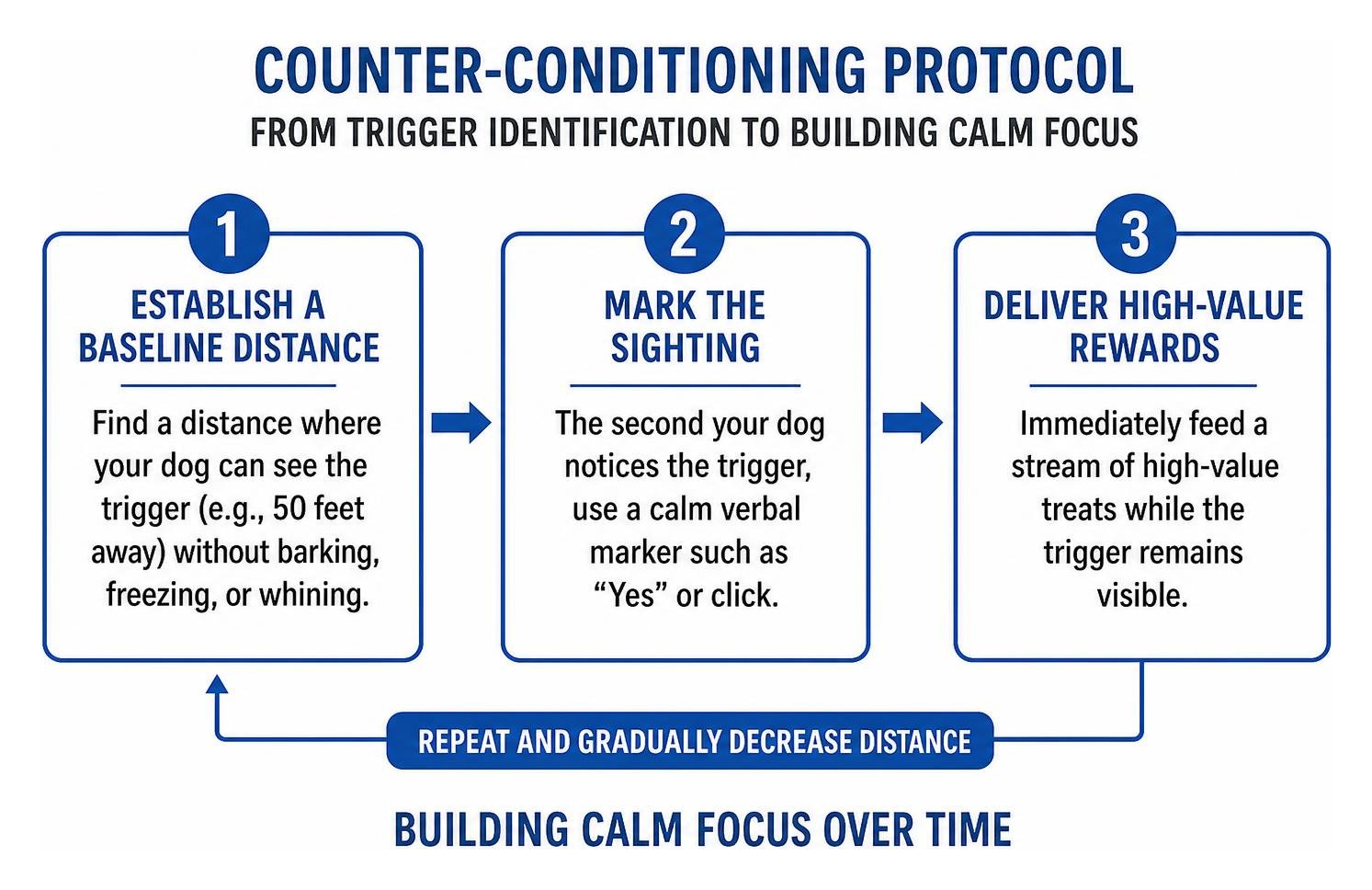
Follow these steps during your training sessions:
- Establish a Baseline Distance: Find a distance where your dog can see the trigger (e.g., 50 feet away) without barking, freezing, or whining.
- Mark the Sighting: The second your dog notices the trigger, use a calm verbal marker such as "Yes" or click.
- Deliver High-Value Rewards: Immediately feed a stream of high-value treats while the trigger remains visible.
- End the Reward When the Trigger Leaves: When the trigger moves out of sight (or you turn away), stop the treats immediately. This teaches your dog that the presence of the trigger causes great things to happen, while its absence makes things boring.
- Repeat with Precise Timing: Consistency is critical. Never feed the reward before the dog sees the trigger, as you want the trigger to predict the food, not the other way around.
Rewards Your Dog Really Loves:
- Real meat (boiled chicken breast, roast beef, turkey)
- String cheese or freeze-dried liver
- Squeeze tubes of wet food or plain peanut butter
- A favorite toy (for dogs who love playing with toys)
Advanced Desensitization in Fear Reactive Dog Training
Desensitization involves exposing your dog to the trigger at low intensities and gradually increasing the challenge as their confidence grows.
- Distance Management: Begin far enough away, such as across a sports field or parking lot, that your dog shows no signs of distress.
- Controlled Helper Dogs: Practice with calm, neutral helper dogs who will ignore your dog rather than try to approach.
- Duration and Movement: Start with stationary triggers, then gradually work toward moving triggers, which can be more challenging.
- Room to Move: Choose wide open spaces in neighborhoods such as Madison Park, Magnolia, or West Seattle, with clear routes to move away if your dog needs more space.
Resetting Social Expectations and Seeking Professional Support
Many owners feel immense guilt when their dog does not want to greet other dogs at the park or accept pets from strangers. However, the expectation that every dog should be an extroverted social butterfly is an unrealistic standard.
In many parts of the world, such as Italy and across Europe, dogs accompany their handlers everywhere in public but are kept focused on their owner, with zero expectation of interacting with strange dogs. True canine success is not about making your dog love everyone; it is about helping them achieve neutrality, where they can pass strangers without fear or distress.
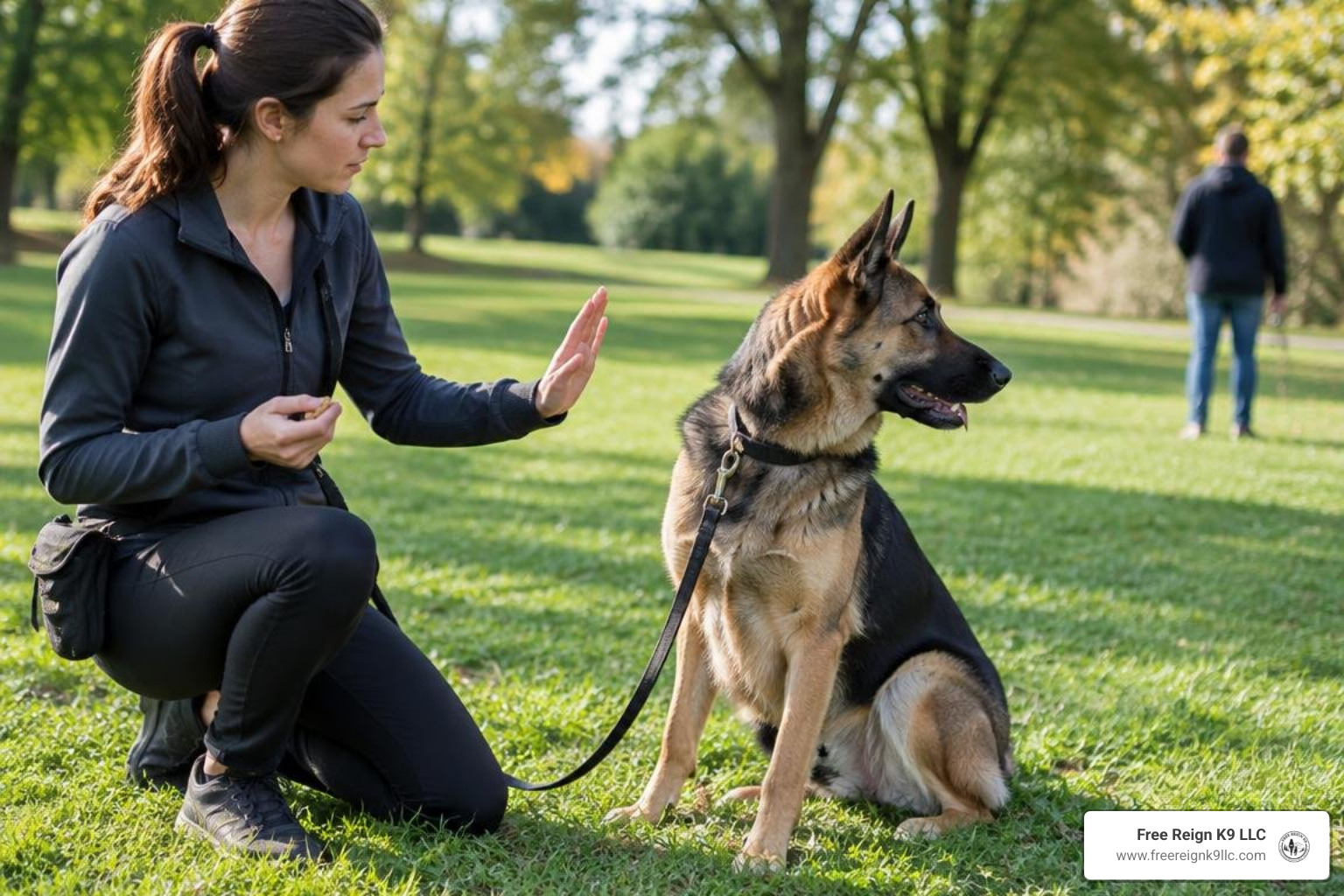
If your dog's reactivity is escalating, if you are concerned about safety, or if progress has stalled, do not hesitate to reach out for a professional evaluation. Dedicated hands-on guidance will keep you safe and provide you with a clear roadmap forward by evaluating your dog's behavior in real-world settings.
Frequently Asked Questions About Reactive Dogs
Can a reactive dog ever be fully cured?
Many dogs make meaningful progress and learn to handle everyday situations more calmly. Still, managing reactivity may be an ongoing part of life rather than a permanent fix. With structured training, patience, and clear communication, you can help your dog build confidence and feel less stressed, while continuing to give them the space and support they need.
Why does my dog only react when on a leash?
This is often called leash reactivity. Frustration caused by being restrained is sometimes called barrier frustration. When off-leash, dogs can use body language, approach in a curve, or move away to give each other space. A tight leash can limit those options and leave your dog feeling trapped. Feeling trapped can leave your dog frustrated or frightened, so they may bark or lunge to get more space.
How do I know if my dog needs professional behavior intervention?
You should consult a professional dog trainer if:
- Your dog's lunging or barking is escalating in frequency or intensity.
- You are struggling to maintain physical control during walks.
- Your dog has snapped, turned their snapping or biting toward you, or broken skin.
- Your dog stays anxious or constantly on alert inside the home.
To learn more about local options and training structures, review our frequently asked questions about dog training in Seattle.
Moving Forward With Your Fear-Reactive Dog
Living with a fear-reactive dog can feel isolating, but you do not have to navigate the journey alone. Reactivity is not a sign of a "bad dog" or personal failure as an owner; it is simply a dog asking for space, safety, and leadership.
By prioritizing proactive management, protecting your dog's boundaries, and systematically rewarding calm focus, you can transform daily walks from a source of stress into an opportunity for teamwork and trust.
At Free Reign K9 LLC, we specialize in helping dogs throughout Seattle, West Seattle, Magnolia, and Madison Park find real-world balance and freedom through clear, structured guidance. When you are ready to help your dog move past fear and embrace calm confidence, explore our specialized training programs to get started.