
How Do You Handle an Aggressive Dog in High-Stress Situations
Recognizing Early Warning Signs and Root Causes of Canine Aggression
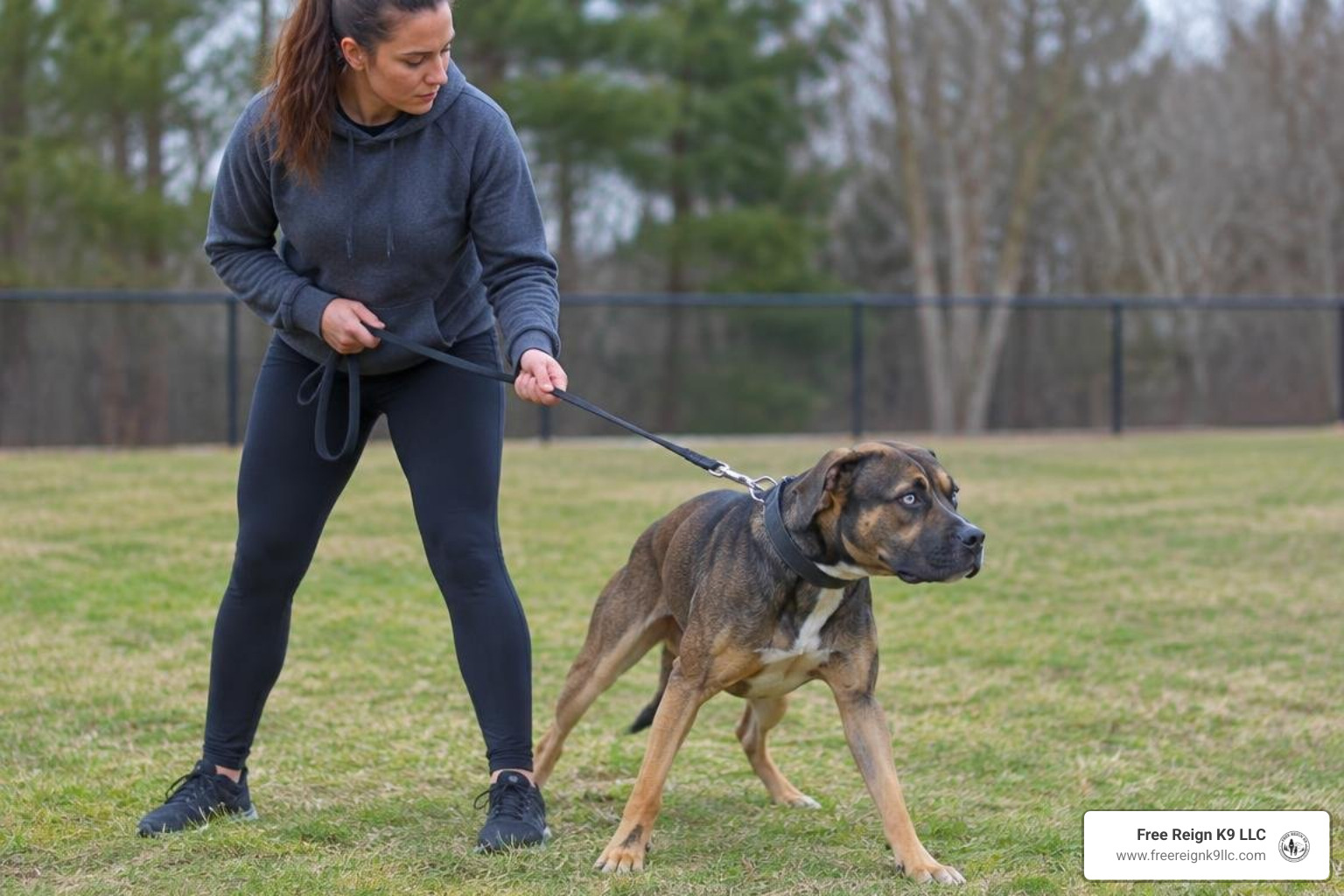
When you need to handle an aggressive dog in the moment, turn your body sideways, soften or break direct eye contact, speak in a low and even tone, and create distance by backing away slowly. Tossing high-value treats away from yourself can also redirect the dog's focus long enough to move to safety. These calm, non-confrontational actions lower spatial pressure and give the dog a chance to de-escalate before the situation escalates further.
Living with an aggressive or reactive dog can feel overwhelming, but aggression rarely happens out of nowhere. Dogs communicate their discomfort long before they resort to lunging or biting. Learning to read these stress thresholds is the single most effective way to keep everyone safe. In fact, understanding distance-increasing signals helps us realize that aggressive displays are almost always a plea for space rather than a desire for conflict.
Studies show that roughly 60 to 70% of pet dogs bark threateningly at strangers or act unfriendly when pushed past their comfort levels. Furthermore, about 61% of dog bites occur in or near the owner's home, and 71% of victims are friends or family members the dog already knows. These numbers remind us why paying close attention to subtle behavioral cues in everyday environments is critical.
| Early Stress Signals (Low Arousal) | Acute Warning Signs (High Arousal) | Immediate Bite Risk (Critical Threshold) |
|---|---|---|
| Yawning out of context | Sudden freezing or body stiffness | Deep, guttural growling |
| Excessive lip licking | Direct, unblinking hard stare | Baring front teeth or snarling |
| Turning head or body away | Raised hackles (piloerection) | Muzzle punches or lunging |
| Showing whites of eyes ("whale eye") | Tense, tightly closed muzzle | Snapping near skin or clothing |
The Canine Aggression Ladder and Behavioral Escalation
Dogs experience emotional stress along a predictable progression known as the ladder of aggression. When a dog encounters something frightening or frustrating, they start at the bottom of the ladder with appeasement cues such as lip licking, yawning, or looking away. If the pressure continues, they escalate to defensive signals like freezing, giving a whale eye, or standing with rigid posture.
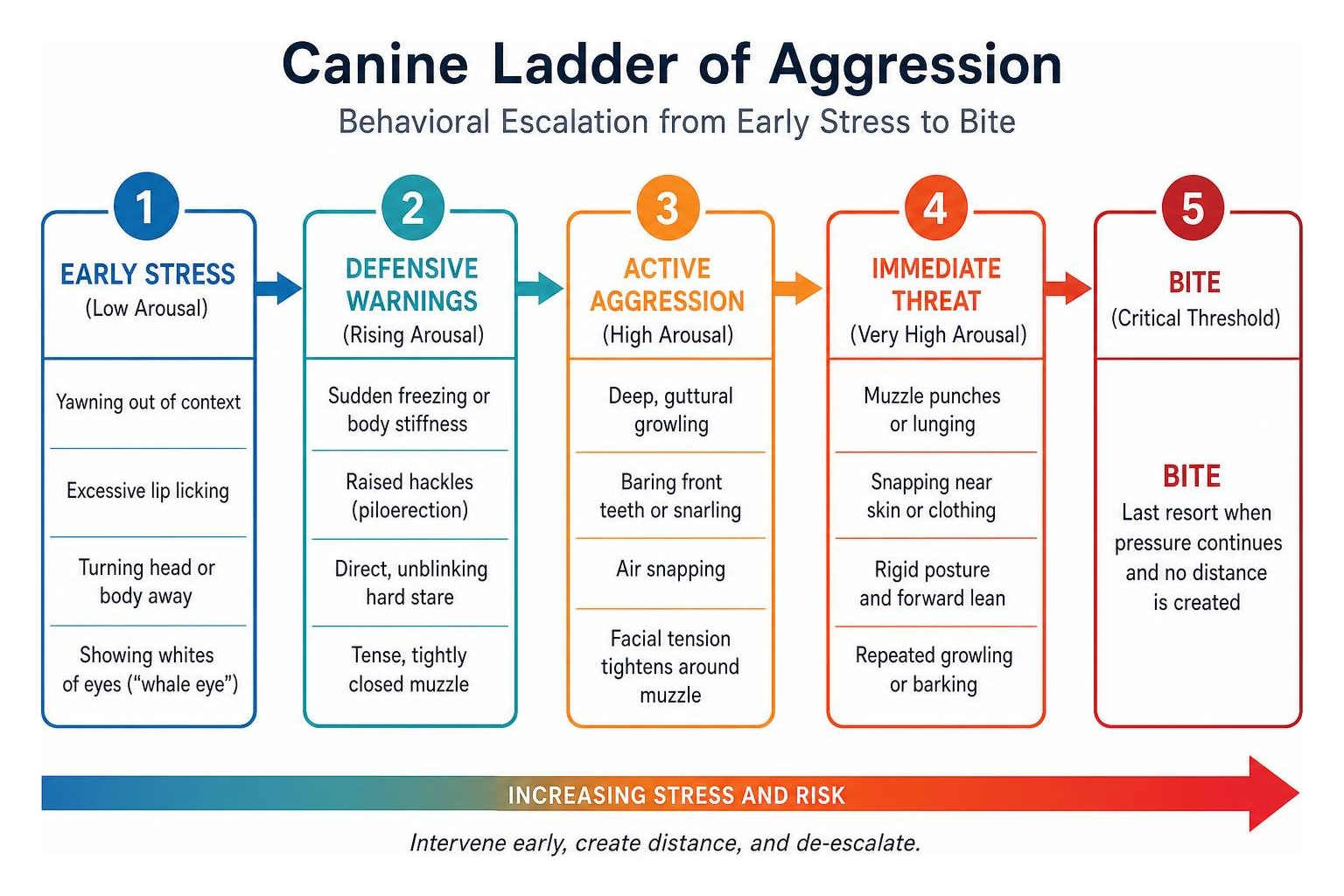
When those subtle cues are ignored or missed, the dog climbs higher up the ladder. You will see facial tension tighten around the muzzle, followed by growling, baring teeth, and air snapping. An air snap is a clear, deliberate warning shot where the dog chooses not to connect with teeth. If the spatial pressure remains, the dog reaches the top of the ladder and bites. By learning to step in during the earliest stages, you can de-escalate situations before your dog feels forced to climb higher.
Identifying Primary Triggers: Fear, Pain, and Resource Guarding
To manage aggressive behavior effectively, we have to identify what is driving it. According to ASPCA clinical aggression classifications, canine aggression is categorized by function and trigger rather than simple labels.
The most common primary triggers include:
- Fear and Defense: Fear accounts for the vast majority of aggressive reactions. When a dog feels trapped, cornered, or overwhelmed, defensive behavior is their attempt to create distance.
- Hidden Medical Pain: Sudden behavioral changes often stem from physical distress. Issues like orthopedic soreness, hip dysplasia, dental disease, or ear infections make dogs defensive when touched.
- Possessive Guarding: Dogs may aggressively guard food bowls, high-value chews, toys, favorite resting spots, or even specific human family members.
- Territorial and Protective Instincts: Guarding the home, yard, or vehicle from approaching strangers or delivery drivers.
- Frustration and Barrier Reactivity: Leashes, fences, and windows create barriers that prevent dogs from moving freely, turning excitement or minor anxiety into explosive reactivity.
- Redirected Arousal: When a dog is highly aroused by an unreachable trigger, such as a dog across the fence, they may turn and snap at the nearest person, leash, or companion animal.
How Do You Handle an Aggressive Dog During an Active Encounter?
When an aggressive encounter happens in real time, your primary goal is rapid de-escalation. High-stress moments trigger a powerful fight-or-flight response in your dog, and emotional arousal can cause tunnel vision. Staying calm and moving deliberately prevents the situation from spiraling into an emergency. If you encounter an unfamiliar roaming animal in public, following local animal control safety protocols protects both you and the surrounding community.
Immediate De-Escalation and Spatial Body Language Strategies
How you position your body during an active incident makes a massive difference. Direct frontal approaches, forward movement, and sustained eye contact are perceived as threats by an insecure or aroused dog.
Use these practical strategies to lower spatial tension immediately:
- Shift Your Angle: Turn your torso sideways so your body sits at an angle (a 2 o'clock or 10 o'clock position) rather than facing the dog head-on. This posture is non-confrontational.
- Break Direct Eye Contact: Avert your gaze and soften your facial muscles. Look down or to the side while keeping the dog in your peripheral vision.
- Use a Soothing, Low Tone: Speak in an even, calm voice. Avoid loud, high-pitched gasps or sharp commands that can increase arousal.
- Toss Food or High-Value Distractions: Throw a handful of high-value treats or a novel item (like a crinkly water bottle) across the dog's field of vision, aiming away from your body to redirect their focus.
- Create Physical Distance: Back away smoothly and slowly without turning your back completely or sprinting, creating safe space between the dog and the trigger.
Critical Actions to Avoid When a Dog Is Actively Aggressive
When emotions run high, instinctive human reactions can inadvertently make aggression worse. It is critical to know what not to do during an active outburst:
- Never Use Harsh Physical Punishment: Confrontational tactics like alpha rolls, pinning, or scruff shakes confirm the dog's fear that physical harm is imminent, significantly increasing bite severity.
- Do Not Shout or Scream: Yelling adds loud noise to an already overstimulated dog, ramping up frantic energy.
- Never Corner a Defensive Dog: Trapping a fearful dog against a wall, in a car, or at the end of a tight leash removes their perceived escape routes and forces a defensive bite.
- Avoid Reaching for Collars in High Arousal: Grabbing a collar while a dog is reacting can cause redirected bites to your hands or wrists. Use slip leads, leash handles, or food lures instead.
- Do Not Punish the Growl: Punishing a growl teaches your dog to suppress their vocal warning system. As many behaviorists note, silencing the growl is like removing the smoke detector while the fire is still burning, leading to bites that appear to happen without warning.
Essential Safety Management and Environmental Controls
Management is the safety net that prevents dangerous incidents while you work on foundational training. Relentless management ensures your dog does not repeatedly practice aggressive behaviors. Utilizing physical barriers, secure leashing setups, and structured programs and specialized training services gives your household the structure needed for real progress.
How Do You Handle an Aggressive Dog at Home Around Family and Visitors?
Managing aggression inside the home requires controlling the environment so everyone remains safe, especially children and guests.
- Install Sturdy Baby Gates and Airlock Entries: Set up solid barriers in doorways to prevent accidental door-dashing when visitors arrive. Using a two-door airlock system ensures the dog is never loose near open exterior doors.
- Establish a Dedicated Safe Zone: Create a quiet sanctuary room or crate area where your dog can retreat undisturbed. Provide an engaging enrichment item, such as a frozen lick mat or stuffed chew toy, whenever guests visit.
- Enforce Strict Child Supervision Protocols: Never leave young children unsupervised with a dog that has a history of resource guarding or fear reactivity. Teach children to respect the dog's resting spaces and give them wide boundaries.
- Manage Resources Proactively: Feed your dog in a separate, secure room behind a closed door. Pick up high-value chews, raw bones, and prized toys when multiple people or other pets are moving through the living area.
How Do You Handle an Aggressive Dog on Leash When Approached by Triggers?

Walking an aggressive or leash-reactive dog requires situational awareness and reliable gear. Always scan ahead for potential triggers like loose dogs, delivery trucks, or runners around blind corners.
To manage leash outings safely:
- Use a Properly Fitted Basket Muzzle: A comfortable, open-basket muzzle allows your dog to pant, drink water, and take treats freely while eliminating bite risks during walks.
- Rely on Dual-Leash Attachment Systems: Connect your leash to a secure front-clip harness and a backup flat collar. This double-connection ensures that if one clip fails, you retain control.
- Master the Emergency U-Turn: Train a fast, reliable 180-degree turn using a cheerful cue. When you spot an approaching trigger down the street, pivot smoothly and walk in the opposite direction before your dog reaches their threshold.
- Maintain Safe Buffer Distances: Cross the street or use parked cars and landscaping as visual shields. Keeping your dog below their reactivity threshold prevents trigger stacking throughout the walk.
Long-Term Behavior Modification, Medical Evaluation, and Professional Support
Real behavioral rehabilitation goes far beyond short-term management. It requires uncovering physical discomfort, systematically altering emotional associations, and establishing clear communication. Following recognized diagnostic health screening guidelines helps ensure training is built on a solid foundation. If you need hands-on assistance, scheduling an in-depth behavioral evaluation with a professional team is the ideal first step.
Veterinary Diagnostics and Underlying Pain Screening
A full veterinary workup should always be completed before starting an intensive behavior modification program. Medical issues can drastically alter temperament, lower stress tolerance, and trigger sudden defensiveness.
Your veterinarian should screen for:
- Orthopedic and Joint Pain: Undetected hip dysplasia, cruciate ligament strains, osteoarthritis, or spinal discomfort.
- Endocrine and Metabolic Conditions: Hypothyroidism, which is closely linked to increased anxiety, irritability, and sudden behavioral shifts.
- Neurological Conditions: Seizure disorders, sensory loss, or cognitive dysfunction syndrome in senior dogs.
- Dental and Ear Pathologies: Painful cracked teeth, root abscesses, or chronic otitis that make a dog sensitive around the head and neck.
- Pharmacological Support: In severe cases of persistent panic or generalized anxiety, your vet may recommend behavioral medications to lower baseline stress, helping your dog learn more effectively during training.
Structured Behavior Modification and Balanced Training Solutions
Behavior modification works by changing how a dog feels about their triggers while teaching calm, replacement behaviors. At Free Reign K9, our approach to comprehensive dog behavior modification training blends systematic desensitization with clear, balanced structure.
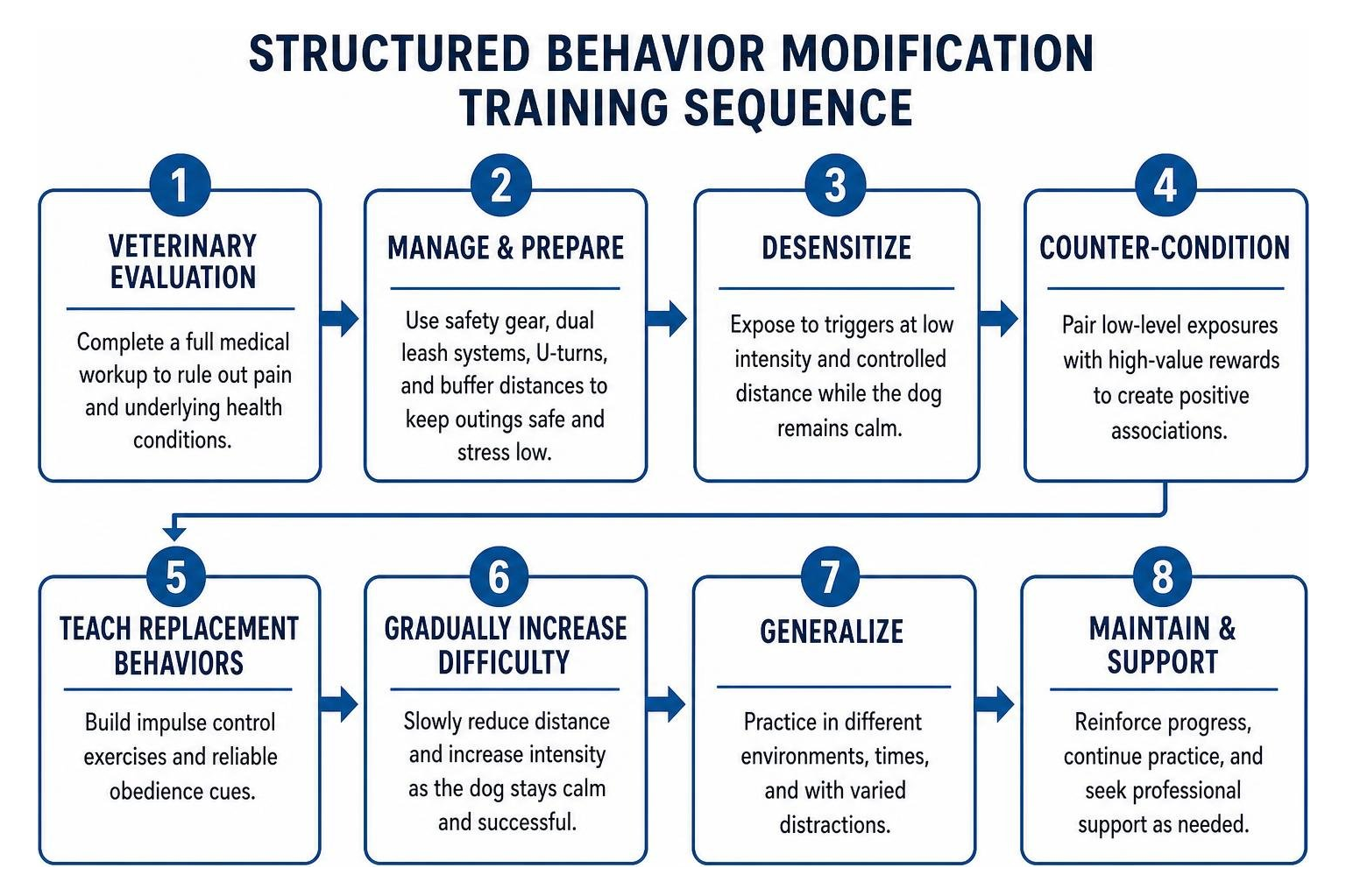
We begin by exposing the dog to triggers at low intensities and controlled distances where they can remain calm. By pairing those low-level exposures with high-value rewards (counter-conditioning), the dog develops a positive association with previously scary sights. Alongside desensitization, we teach impulse control exercises and solid obedience commands. This gives your dog clear direction on what to do instead of reacting, restoring reliable leadership and communication.
Evaluating Ethical Outcomes, Rehoming, and Safety Risk Factors
In complex cases involving severe aggression, pet parents face difficult choices. Evaluating the long-term prognosis requires looking at objective risk factors:
- Bite History and Severity: Minor scrapes and inhibited nips carry a very different prognosis than deep puncture wounds or repeated, unprovoked attacks.
- Predictability and Warning Consistency: A dog that gives clear, readable warnings is much easier to manage than one that reacts unpredictably.
- Household Composition: A home with young children, elderly family members, or frequent visitors carries higher risk factors than a quiet, adult-only environment.
- Caregiver Capacity and Liability: Safe management requires physical strength, emotional energy, and consistent daily vigilance.
When a dog cannot be managed safely despite medical care and structured training, rehoming to an experienced, child-free home or placement in a specialized sanctuary may be explored. In heartbreaking situations where a dog's severe aggression poses an unmanageable danger to the public, humane behavioral euthanasia is an ethical, compassionate decision made in partnership with a veterinarian.
Frequently Asked Questions About Handling Dog Aggression
Managing reactivity brings up plenty of questions. For more detailed insights into training formats and timelines, browse our answers to frequently asked questions regarding dog training programs.
Can an aggressive dog ever be completely cured?
Aggression is an emotional response and a communication tool, not a disease with a single cure. While many dogs make dramatic improvements and learn to navigate life calmly, it is healthier to think in terms of successful management, emotional modification, and risk reduction. Consistent routines, clear boundaries, and ongoing practice help dogs maintain their progress for the rest of their lives.
What should you do if your dog suddenly bites without warning?
First, secure your dog behind a solid door or inside a crate without shouting or rough physical handling. Tend to the injured person immediately by washing the wound thoroughly with soap and water, and seek medical care if the skin is punctured.
Once everyone is safe, log the antecedent, behavior, and consequence (what happened right before, during, and after the bite). Schedule a comprehensive veterinary exam to rule out hidden injuries or acute pain, and consult a professional behavior specialist before reintroducing the dog to the household routine.
How do you introduce a basket muzzle safely without stress?
Muzzle conditioning should always be a positive, step-by-step game. Coat the inside tip of a comfortable basket muzzle with peanut butter or wet food and let your dog place their nose inside voluntarily to lick it off. Never force the muzzle onto their face or fasten it immediately.
Over several days, gradually increase the time their nose remains inside before you introduce the sound of the buckle. Once buckled, pair wearing the muzzle with fun activities like daily walks, backyard games, and meal times so your dog views it simply as everyday adventure gear.
Restoring Safety, Structure, and Long-Term Peace of Mind
Handling an aggressive dog is a challenging journey, but you do not have to navigate it on your own. When you replace frustration and confusion with reliable safety management, medical care, and balanced training, you can rebuild trust with your companion.
At Free Reign K9 LLC, we believe that true freedom comes through balanced training, fair leadership, and real-world clarity. Whether you are walking through your neighborhood or heading out on outdoor adventures across the Pacific Northwest, our board and train programs and private lessons are designed to give you and your dog the skills needed to live safely, confidently, and peacefully together. Explore our tailored dog training programs today to take the first step toward a calmer future.